This week was supposed to be a week of triumph, of gentle applause, of exhaling in the quiet. I had just completed the first draft of the book I have been writing, which is about my cancer experience and the circular, recursive nature of life. (I need to edit, but if you have ideas on publishing, I’d love to hear them.) I had been fearful of looking to the future, but I began sketching dreams into place. I planned a few trips to complete my epilogue: a reunion with my family and cousins, dancing in the desert with friends, lying on my back in the ink-dark Aegean sea, my eyes tethered to a full and luminous moon.
But, unfortunately, dream as I may, that is not my story. I received the news that no one wants to hear. I saw my doctors’ faces tremble as they reconciled a path forward from something that shocked them as much as it shocked me. My cancer spread further from my lymph nodes to my lungs. I am now Stage IVB. My cancer is no longer curable. My mom and I read the scan results in the back of an Uber on the way from Long Island to Manhattan. Outside, the world blurred into pools of sorrow. I have not stopped crying since.
I search for meaning, but find only echoes. Perhaps the lesson is that sometimes, meaning itself is beyond reach, a mirage dissolving on approach. There is no right or wrong, only existence in stark relief. Today, I stand closer to the edge of the abyss, aware of each pebble slipping beneath my feet. My screams dissolve in the empty space, the sound muted into nothingness. My ears ring with an all-consuming silence.
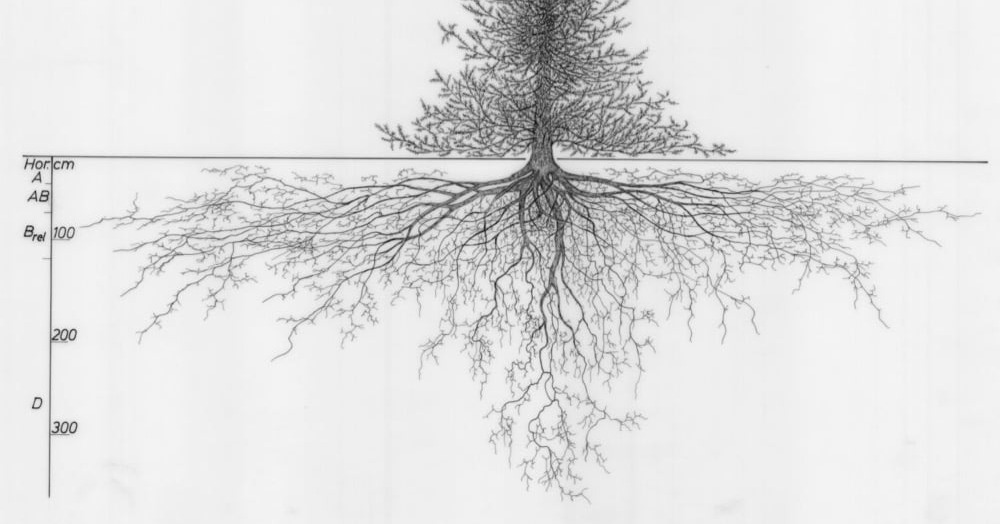
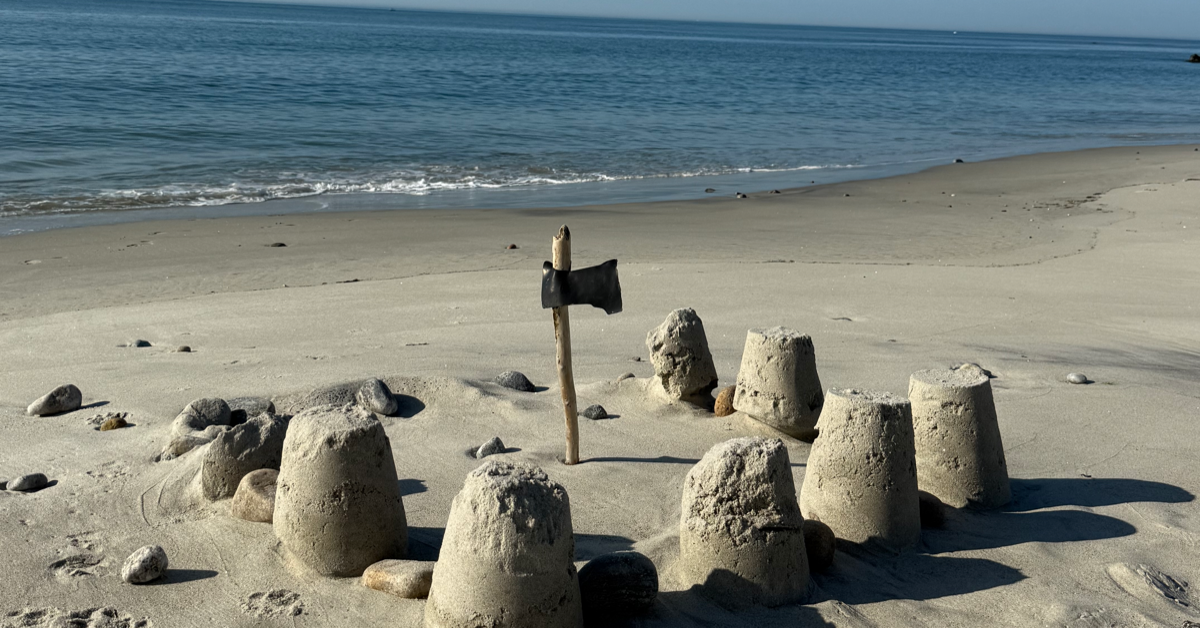
As a child, I loved to build sandcastles near the ocean’s edge. Tower after tower, each design more masterfully sculpted, patted down sand, dripped embellishments, a moat to protect against the inevitable indomitable waves. A sandcastle is not built to last, yet still we forged on, shaping and reshaping the temporary into monuments of joy. Leaves fall, yet still we plant trees. We must, indeed, imagine Sisyphus happy. For even Prometheus, enduring perpetual agony, might pause to admire the sweeping vista of the canyon below, marveling at the light shifting gently across stone.
There is no end but death. And this news, heavy and unjust as it feels, is neither fair nor unfair; it simply is. Within its stark clarity lies grace. It will be many more months of treatment and perhaps years after that to maintain, but there is freedom in seeing my potential demise.
A man at a bar once asked me an odd question: “What would you do if you could live forever, but a snail was always coming for you and if it touched you, you’d die?” You couldn’t tell anyone about the snail. It was meant as a pickup line, but it stayed with me. I told him I’d want the snail always within sight. There’s a strange comfort in knowing intimately, and perhaps loving, what will most likely kill you. I’d rather live beside the snail than pretend it doesn’t exist.
And, as I see death, I see life. I close my eyes, and I am back, swimming into dappled golden light reflected on the ocean. I am curled in my friends’ arms on a couch. I am standing in a field of flowers after a thunderstorm, gazing up at a rainbow above, as light rain splatters on my face. Life flashes upon that inward eye. I have lived and loved fully and completely. My life to date sustains me in the dark.
Outside, I see a ginkgo tree waving in the breeze, a flicker of a dragonfly passing by, the swirling minutiae of dust off of a wall, worlds within worlds, spinning unnoticed. I believe now more than ever that it is not how long we live, but how deeply we live. My fear of losing all that I love is the chiaroscuro of being alive, the shadow that allows me to see the light.
In this moment, leaning closer to the fragile boundary between life and loss, I understand anew the poignancy of Camus’s words. Now, more than ever, I live to the brink, to the breath, to the point of tears.