_Depravity begins with thinking of love
as a radical act. I quit loving
with difficulty. I love
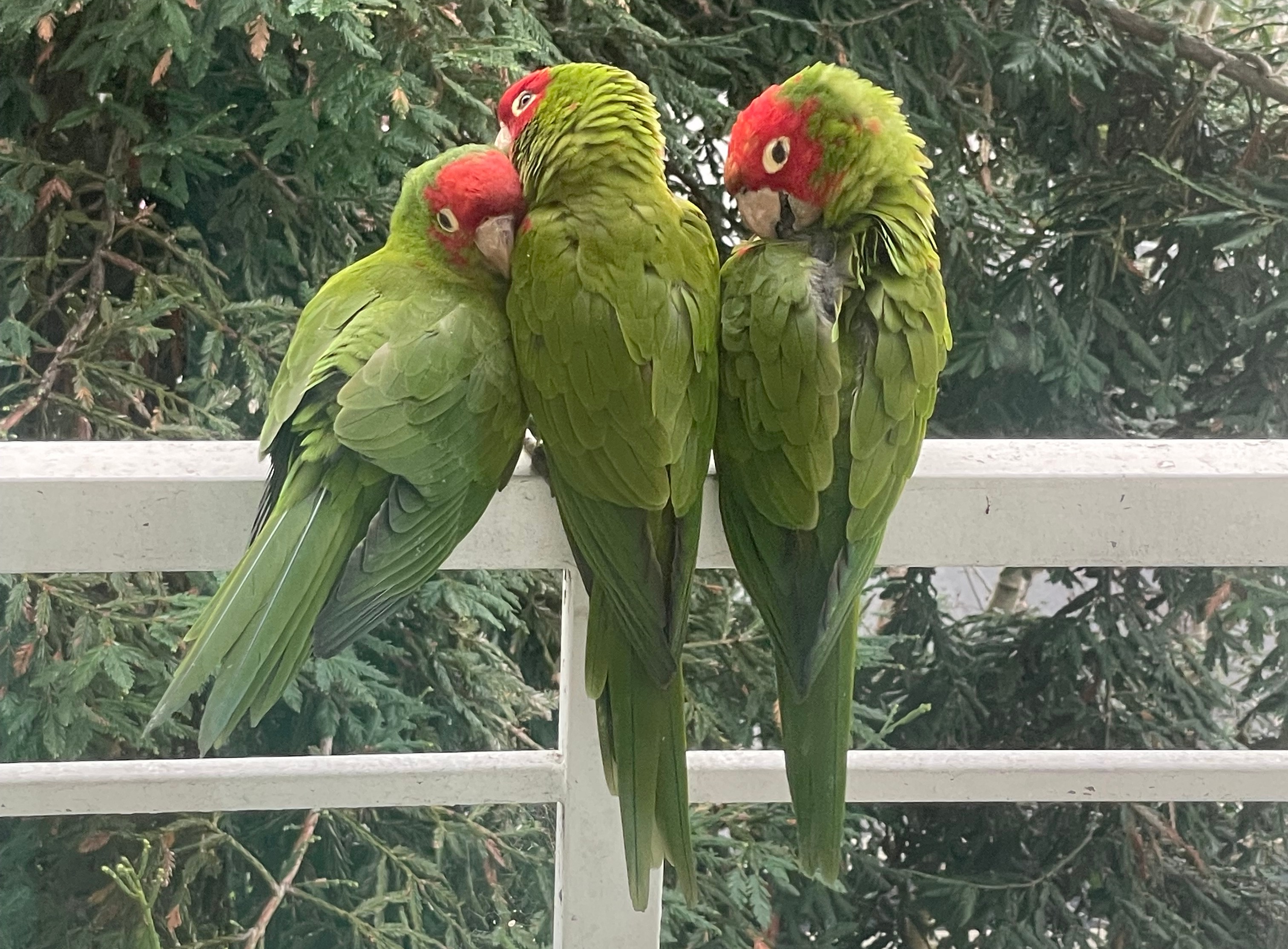
easy now. Two parakeets on my shoulders.
They'll fly away if I move. So I move._
—Todd Dillard, "How to Live"
I came back to San Francisco a few days ago to pack up my apartment. My heart breaks to leave my sanctuary again, but it breaks more to think of it sitting empty for another six months or more as I continue cancer treatment back on the East Coast.
Things are meant to be enjoyed. Spaces are meant to be used. Plants need to be watered. Wild parrots need to be fed. Stillness, too long drawn, turns sacred places into sepulchers.
It’s an odd sensation to dismantle a life systematically, not because you want to, but because you have to. I packed away the little trinkets, the letters, the dishes that make up the architecture of a life. I looked at the love letters I had left myself around the space and the photos of my friends. I got rid of clothing that was fit for a woman I no longer recognized and packed away for storage what I thought might fit the version of myself when I return. I cleaned my drawers of old ticket stubs, conference badges, and scribbled notes. I packed years' worth of journals, windows into my subconscious, into nondescript tubs. I sat on the couch to see the balcony empty, the parrots having moved onto a neighboring tree and railing in my absence.
I did all of this, much to my surprise, without emotion. It’s strange to watch your life become an artifact and stranger still to feel nothing as you do it. I caught my reflection in the mirror and didn’t see the woman who had once left this space. I moved like an archaeologist, brushing dust from the bones of a previous life. The love for this home remained, but I had outgrown it. The shell no longer fits.
Like Odysseus at the edge of Ithaca, I returned to find the place unchanged but myself unequivocaly altered. I was not the same woman who had once dreamed into this place.
I often think about the characters the Little Prince encounters on the neighboring planets as he navigates his way to Earth, each grasping rigidly to their meaning-making, afraid to leave the known for the unknown. How easily belief becomes bondage, how the stories we tell ourselves can become the cages we never question. In the words of Borges, “it only takes two facing mirrors to make a labyrinth.” Sometimes it’s not the room that traps us, but the reflection we refuse to release.
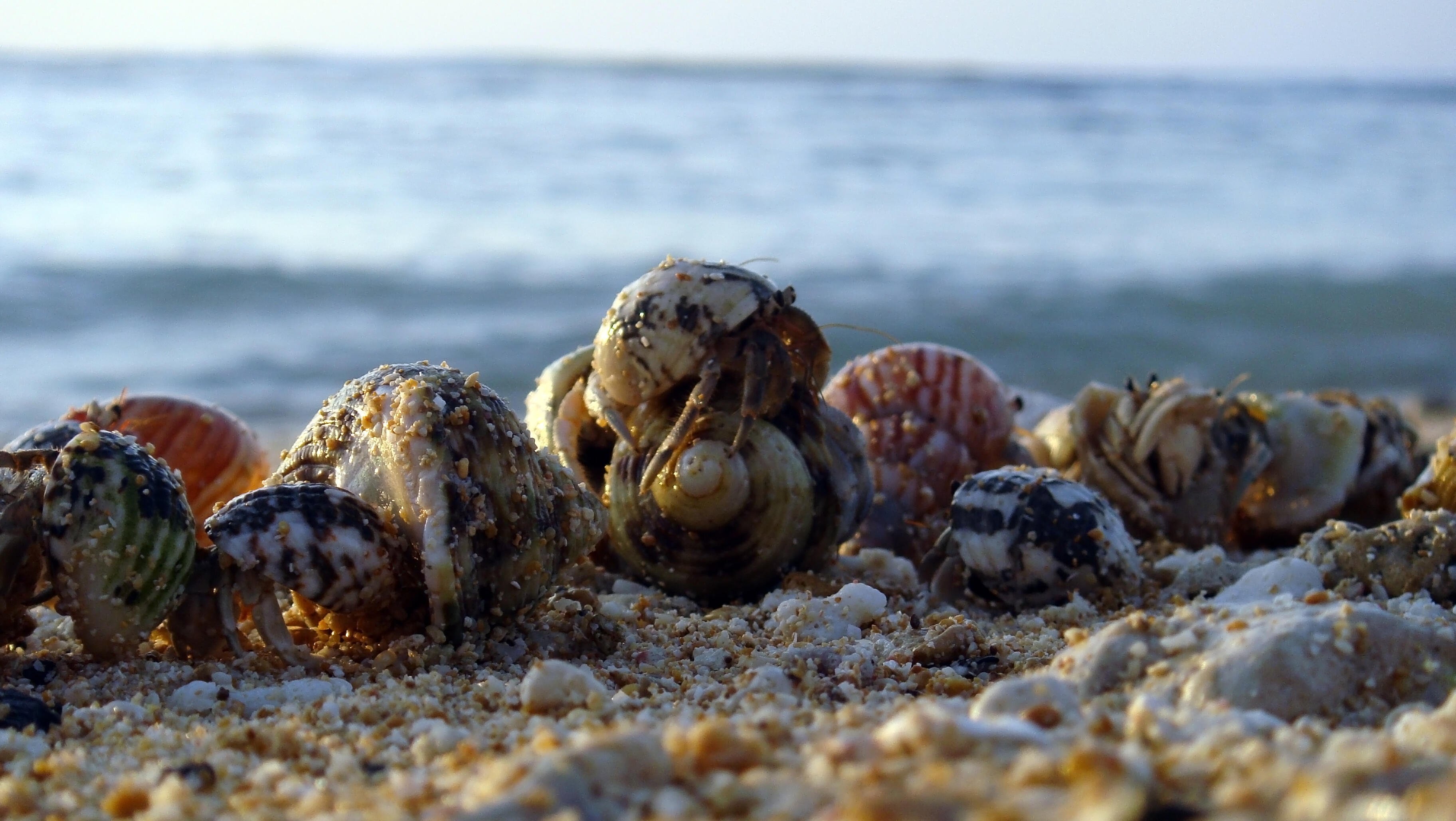
To let go is an act of wildness. Of faith. Of uncurling your fingers like a baby bird from what once steadied you, and stepping out into the wind with nothing but breath and bone. If you want a big life, you can’t grip onto a little one to stay. In staying with what should have been, you close the door to what could still become. The hermit crab does not mourn her shell as she moves on.
And I think about the Little Prince himself, leaving something he loves dearly behind as he embarks on an intergalactic search for understanding.
After I packed up my final box, I thought of my favorite Gibran poem:
It is said that before entering the sea
A river trembles with fear.
She looks back at the path she has travelled,
from the peaks of the mountains, the long winding road crossing forests and villages.
And in front of her, she sees an ocean so vast, that to enter there seems nothing more than to disappear forever.
But there is no other way.
The river can not go back.
Nobody can go back.
To go back is impossible in existence.
The river needs to take the risk of entering the ocean because only then will fear disappear because that’s where the river will know it’s not about disappearing into the ocean, but of becoming the ocean
There is no other way. To stay in these circumstances, to hold tightly to the life I already know, is a path towards death in a matter of months. To leave, to step into the darkness, to lose my hair and my vestiges of self, to read the horrendous side effects of treatments and still say yes, is the only path to longer-term survival. There is a world where this experience fundamentally changes my life for the better. There is no going back. And if I return, it will be different. “You can’t step in the same river twice, ” said Heraclitus.
Through the window, I could see the wild parrots had returned to my balcony railing, their bright green feathers catching the late afternoon light. They perched there for a moment, then lifted off together into the vast San Francisco sky. The shell was never the thing that kept me safe. It is the leaving, the changing that will.